

Overview
Professional Learning is where I share curated resource hubs and staff-facing learning tools I’ve created to support equitable, culturally responsive practice in multilingual settings. These materials are designed to lower the “where do I start?” barrier, support self-paced learning, and help teams build shared language for discussing complex topics thoughtfully.
The Role of Restorative Practices in Building a Peaceful Community
I recently had the opportunity to join Tim Seldin and Dr. Lindsey Pollock of The Montessori Foundation for a conversation about a question at the heart of every school community: Conflict and harm are inevitable, so how can we respond in ways that create greater responsibility, healing, trust, and belonging?
We discussed restorative practices not simply as something schools use after harm has occurred, but as an ongoing way of building community. That means helping children and adults develop the skills to listen, understand impact, take meaningful responsibility, repair harm, and move forward together.
Our conversation explores:
The relationship between restorative practices, peace education, and community building
Why accountability is not the same as punishment
The importance of regulation and the preparation of the adult
How conflict can become an opportunity for learning and deeper connection
The role of trust, voice, and belonging in creating healthy school communities
How restorative principles can strengthen relationships among students, educators, administrators, staff members, and families
Restorative work does not mean ignoring harm, eliminating boundaries, or requiring someone who has been hurt to forgive or reconnect. It asks us to take harm seriously while considering what the people affected need, what meaningful accountability requires, and what must change to prevent the harm from happening again.
Watch the full conversation, “The Role of Restorative Practices in Building a Peaceful Community,” from The Montessori Foundation:

Living Reading List
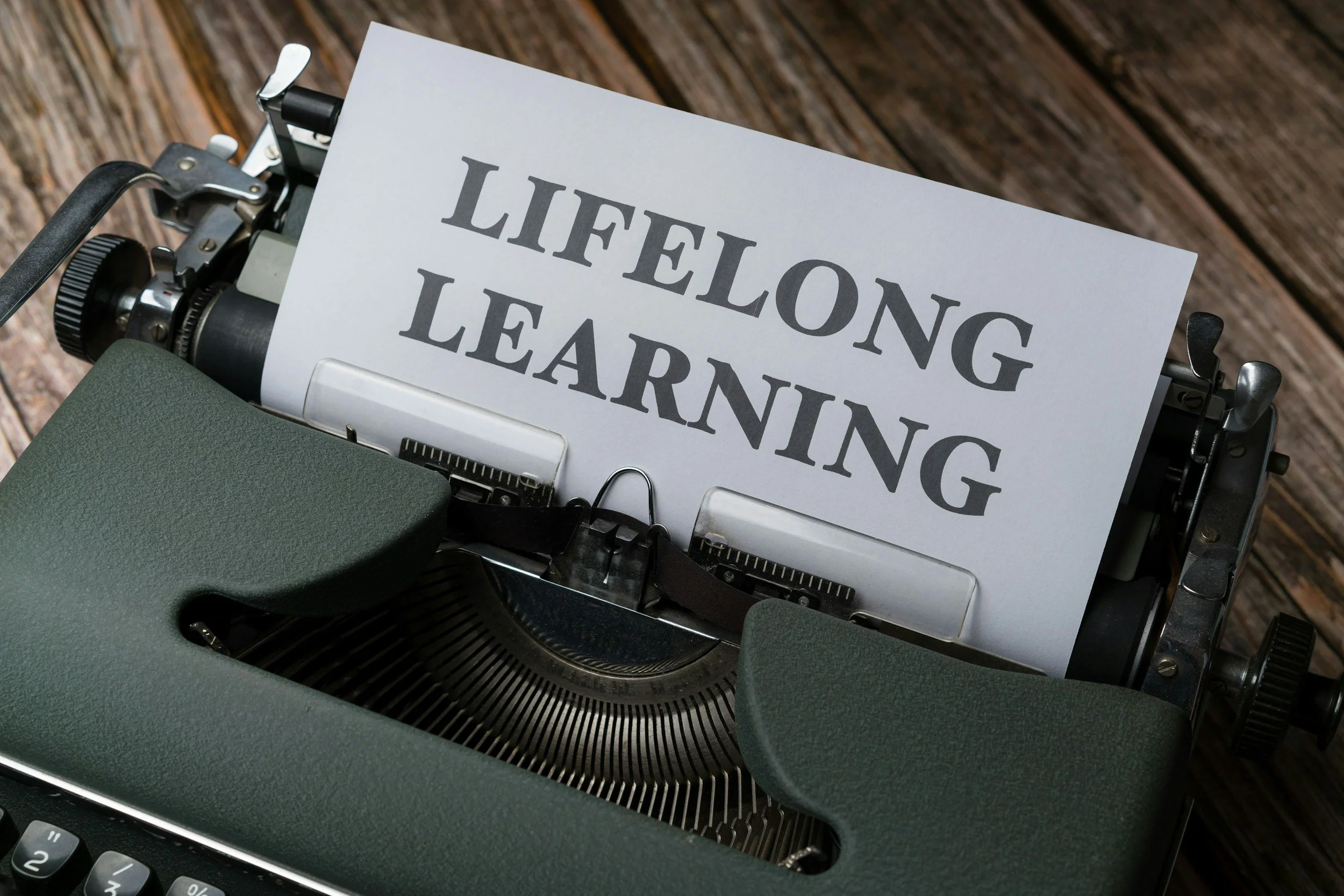
Built a personal knowledge-management system to categorize and synthesize professional reading by genre, theme, and life/work season, enabling rapid retrieval of insights to inform learning design and facilitation.
I am deeply committed to learning and growth. An avid reader driven by curiosity, I constantly seek new perspectives and practical ways to apply what I learn. To support my habit, I created a personal reading tracker — a simple, flexible resource that helps me log books, capture key takeaways, track progress, and reflect on how each read informs my work and thinking. It keeps learning intentionally, measurably, and aligned with my goals.
Curated Support Documents
Como Coordinadora de Currículo y Coach Instruccional, detecté necesidades de crecimiento comunes y particulares. El equipo quería recursos para practicar lo visto en las sesiones y reforzar mi desarrollo profesional. Preparé listas curadas de materiales para uso independiente. Para el personal, elaboré materiales profesionales: módulos de formación, plantillas de planes de clase, herramientas de evaluación y estrategias de manejo de aula, alineados con la enseñanza por inmersión y la realidad del aula. Estos apoyos fomentan la instrucción coherente, la práctica reflexiva y la planificación colaborativa.
As Curriculum Coordinator and Instructional Coach, I identified both shared and individual growth needs. The team wanted resources to practice what was covered in sessions and to support my professional development. I prepared curated lists of materials for independent use. For staff, I developed professional materials: training modules, lesson-plan templates, assessment tools, and classroom-management strategies aligned with immersion teaching and classroom realities. These supports promote coherent instruction, reflective practice, and collaborative planning.

Resources of Parents of Language Immersion Students
I created separate resources for parents of immersion students, including clear, practical guides that explain how immersion works, what to expect at each stage, and easy at-home activities to support language learning. These are accessible, reassuring, and give caregivers simple strategies and bilingual vocabulary help (English and Spanish).